Kangaroo Walk & Talk: Discover the Mobs of Hanging Rock
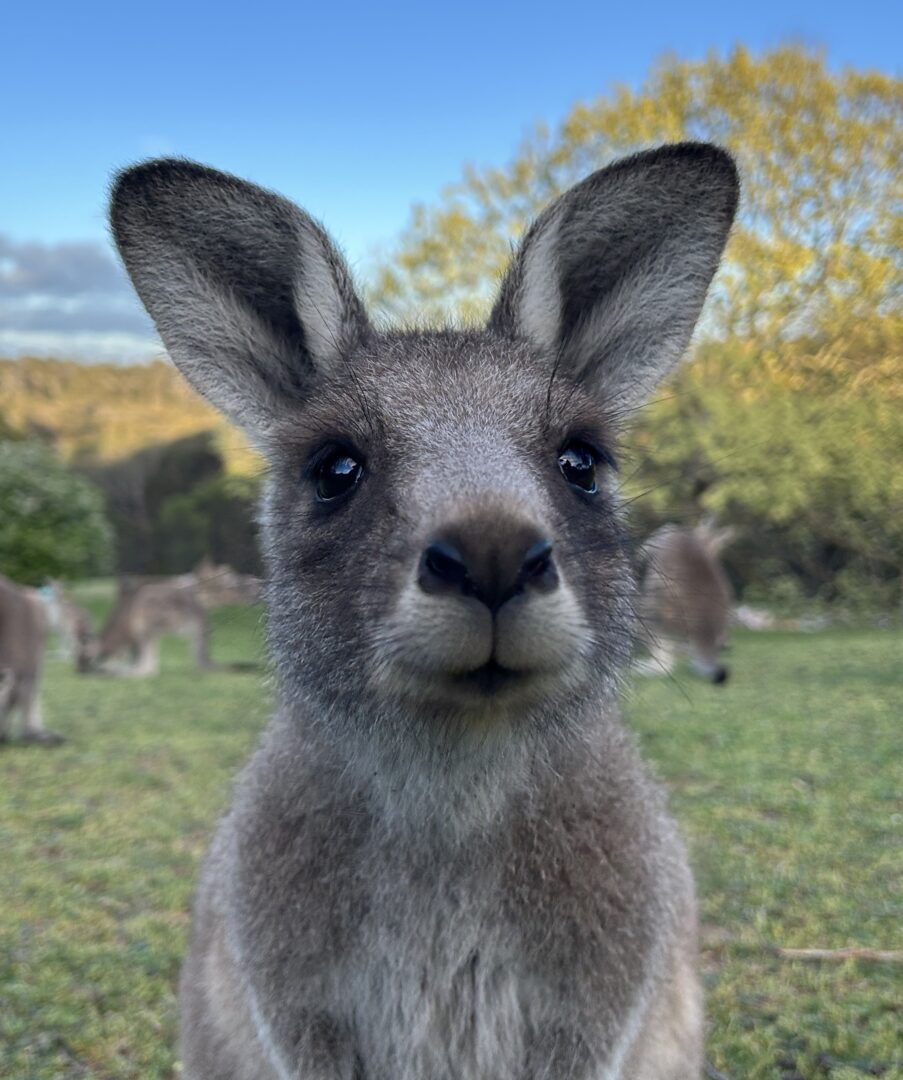
Join the Macedon Ranges Wildlife Network for an inspiring and educational experience at one of Australia’s most iconic landmarks. Our Kangaroo Walk & Talk (KWaT) program is designed to connect the community with their local kangaroo mobs, providing a unique chance to experience these beautiful animals in the wild.
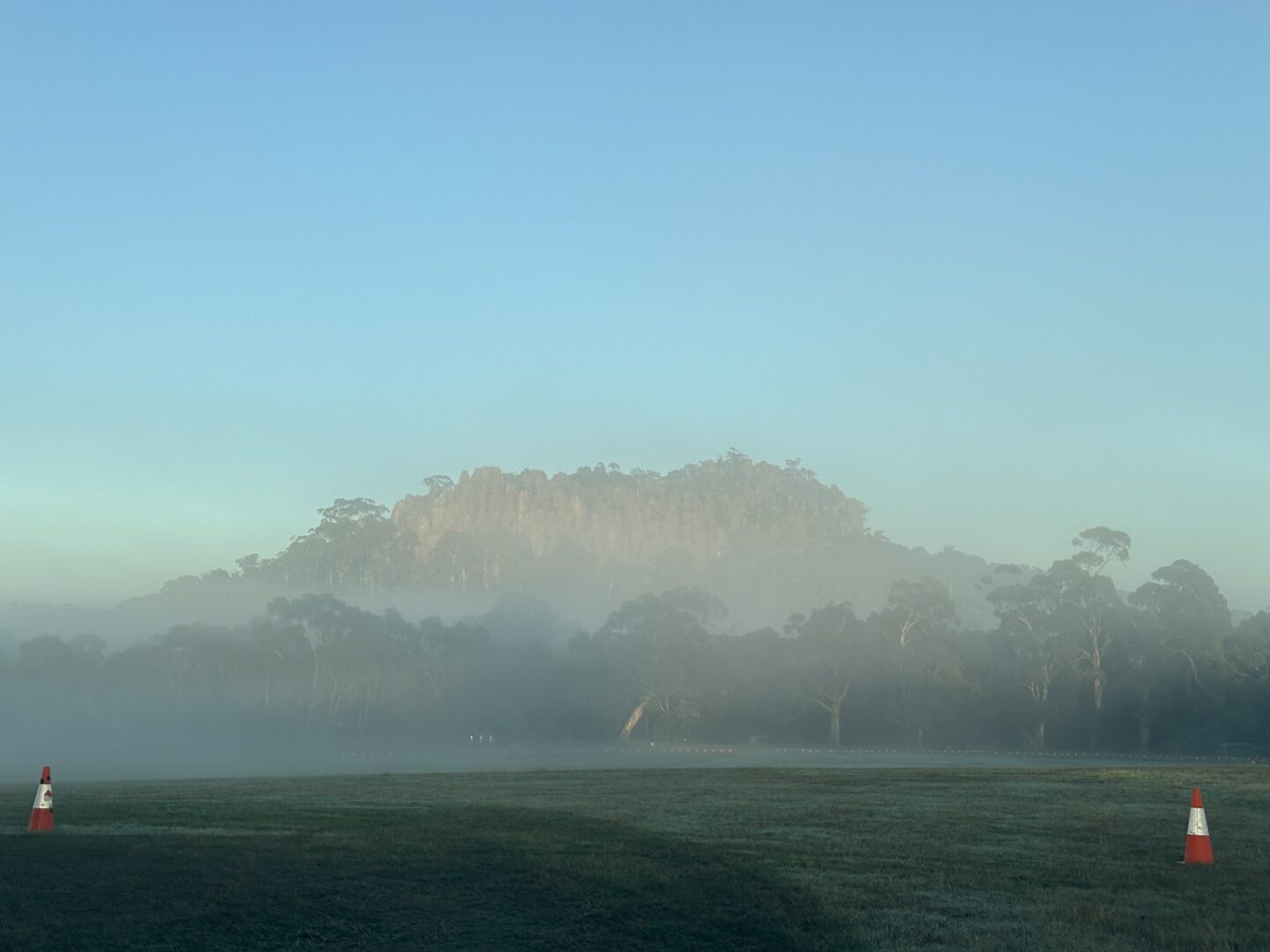
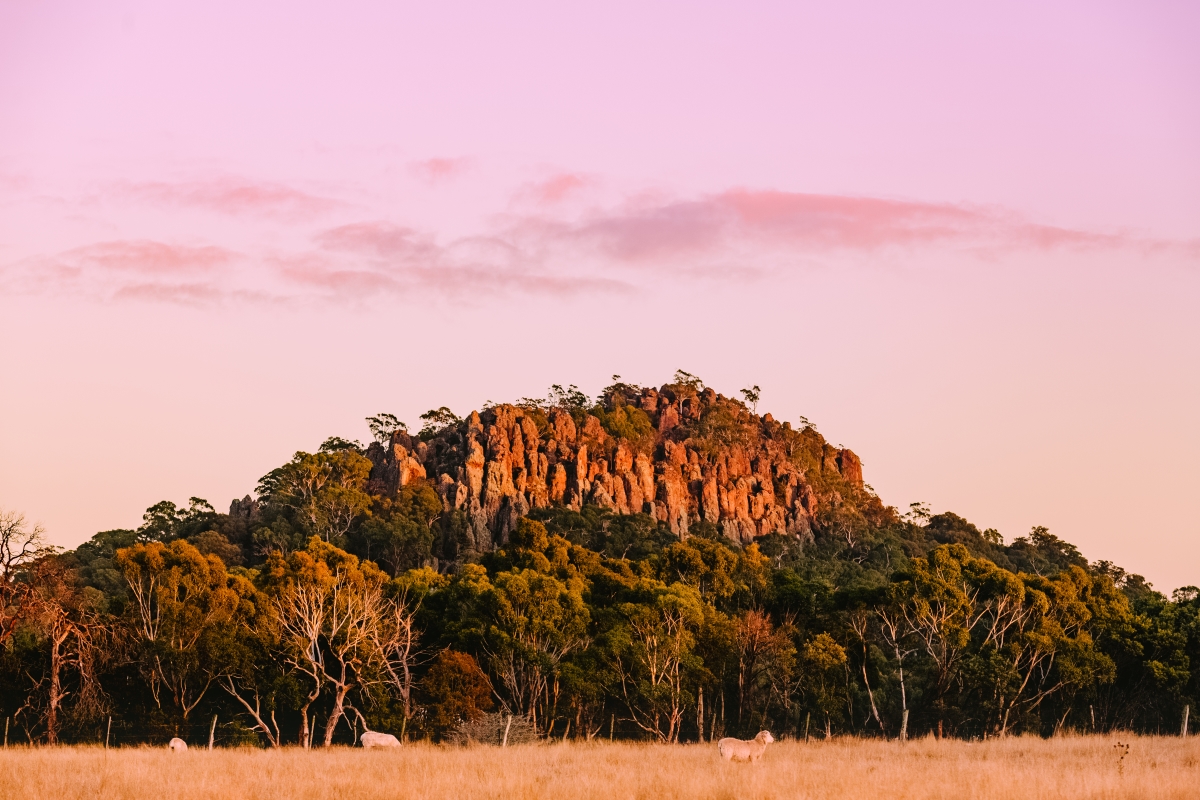
During this one-hour guided tour, you will learn to understand kangaroo behavior and social structures while exploring the stunning natural setting of the Hanging Rock Reserve.
Event Details
-
Dates:
-
Saturday, 22 August 2026
- Saturday, 26 September 2026
- Saturday, 31 October 2026
What to Bring
To ensure you have a comfortable and rewarding experience, please come prepared with:
-
Sturdy walking shoes: The terrain includes bush tracks and potentially steep or slippery sections.
-
Waterproof jacket: Weather in the ranges can change quickly; stay dry and comfortable.
-
Camera: Capture the stunning rock formations and local wildlife.
-
Binoculars (Optional): Highly recommended for getting a closer look at the mob without disturbing them.
What You Will Learn
This program, developed in partnership with Kangaroos Alive, aims to inspire protection through connection. You will gain insights into:
-
Kangaroo Behavior: Learn to interpret gestures and understand the dynamics of a mob.
-
Ethical Observation: Best practices for watching wildlife respectfully.
-
Local Conservation: How MRWN works to rescue and rehabilitate native species in the Macedon Ranges.
-
Cultural Significance: We acknowledge Hanging Rock as a sacred place for the Wurundjeri, Dja Dja Wurrung, and Taungurung peoples, who have been caretakers of this land for over 10,000 years.
Registration
This community event is open to everyone. Spaces are limited to ensure a quiet and respectful environment for the wildlife.
Book online through the attached link or by visiting our website https://www.macedonrangeswildlifenetwork.com.au/
The Macedon Ranges Wildlife Network (MRWN) has been dedicated to the rescue, rehabilitation, and conservation of native wildlife in the Macedon Ranges since 2007.
We are a registered charity, and all donations are tax‑deductible.
Contact us on: mrwninc@gmail.com.